
What you weld, you shouldn't breathe.
Welding fumes are fine particles and gases. They come from the base metal, the filler wire, the shielding gas, and from whatever is on the surface: paint, coatings, residue.
The UK’s Health and Safety Executive (HSE) says it plainly: all welding fume can cause lung cancer, and there is no known level of safe exposure. That includes mild steel. The International Agency for Research on Cancer classifies welding fume as carcinogenic to humans.
What is in the fume depends on the metal. Mild steel fume contains manganese. Stainless steel fume contains hexavalent chromium and nickel, which can cause occupational asthma. Fume from galvanised metal is linked to metal fume fever, with flu-like symptoms.
Laser cleaning makes fumes too.
A cleaning laser removes corrosion layers, paint and coatings by turning them into particles, fumes and vapors. What was on the surface is then in the air, and old coatings can contain lead, chromates or zinc.
Germany’s statutory accident insurance (DGUV) names two main hazards of laser cleaning: the laser radiation and the hazardous substances the process creates. Its guidance asks for an efficient extraction system that captures them as close to the point of origin as possible.
The MA1 manual names what such fumes can affect: lungs, heart, kidneys and the central nervous system. So the same rule applies to cleaning as to welding: capture the fume where it is made.
DGUV: cleaning and stripping with laser radiation (FBHM-139, in German)

Three layers of protection.
1. Extract at the source
HSE asks for engineering controls for all indoor welding, typically local exhaust ventilation: a hood or nozzle that captures the fume where it is made, and a filter unit behind it.
2. Add a respirator
Where extraction alone cannot control the exposure, HSE asks for respiratory protection as well. A PAPR, a powered air-purifying respirator, blows filtered air into the helmet or mask.
3. Look after the room
THEO's manuals ask for a fume extraction system that removes fumes, vapors and particles from the work area, fresh air in small spaces, and regular checks of the air quality. In a closed welding cell, extraction is mandatory.
Recommended by THEO
Fume extractors.
For fume extraction THEO recommends Kemper and Filtrabox. The details below are the makers' own.


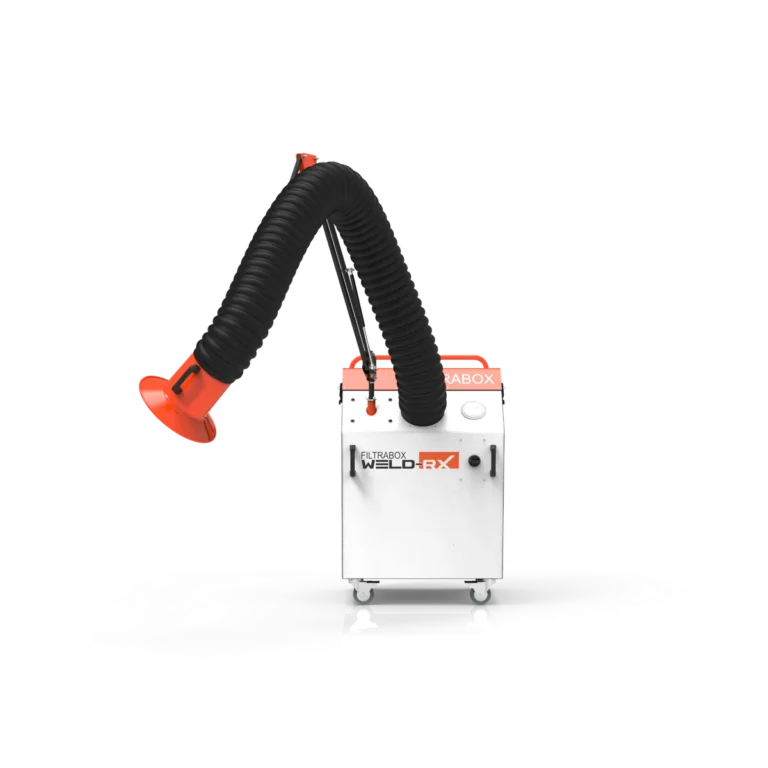

Filtrabox Weld-RX
Made for Handheld laser welding
Filter H14 HEPA with F9 prefilter
Duct 8 inch
More from the makers: kemper.eu and filtrabox.com.
Recommended by THEO
Powered air respirators (PAPR).
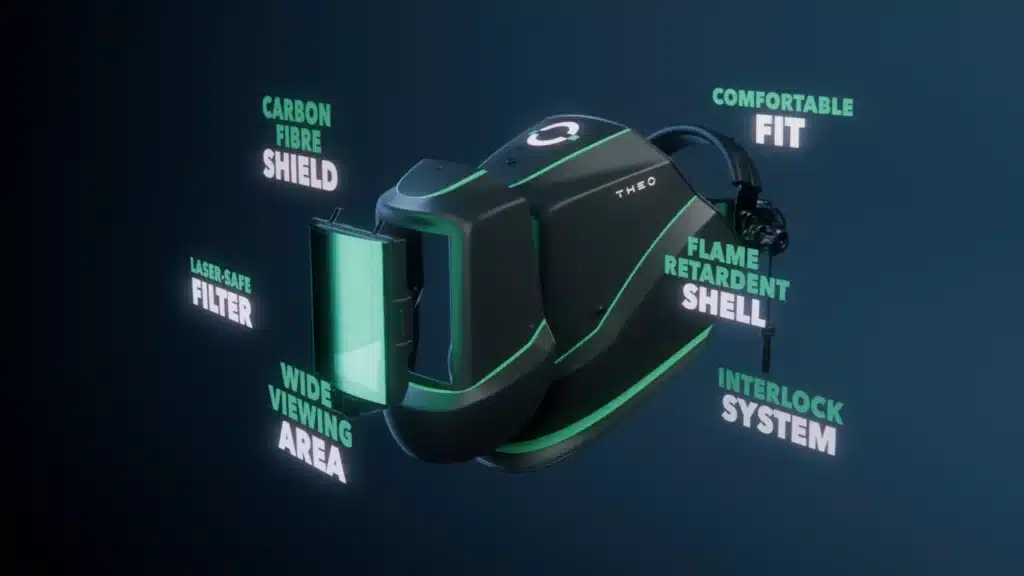
For PAPR THEO recommends optrel, and the Laservision PAPR unit, which fits THEO's VIZ laser welding helmets.
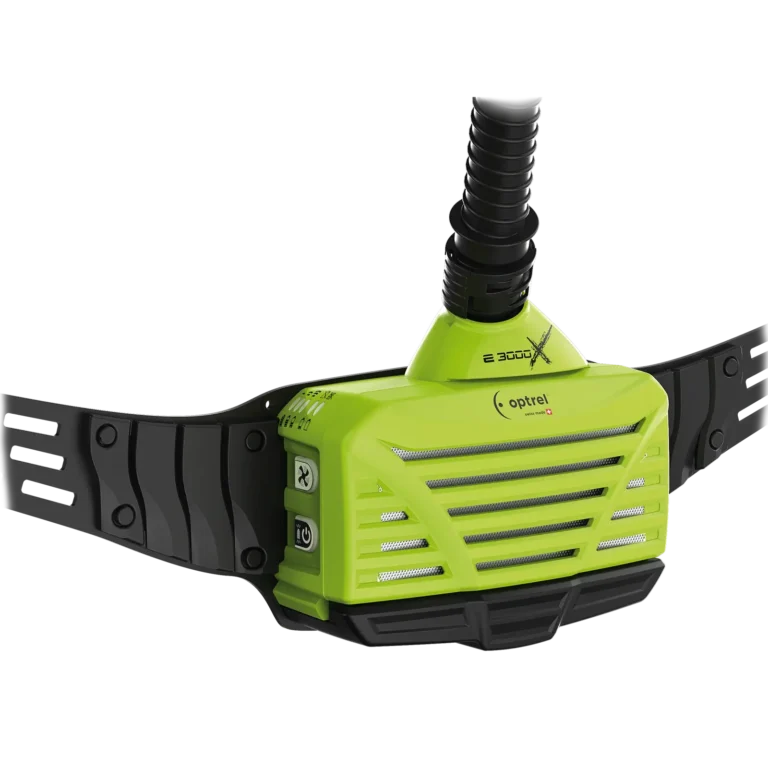

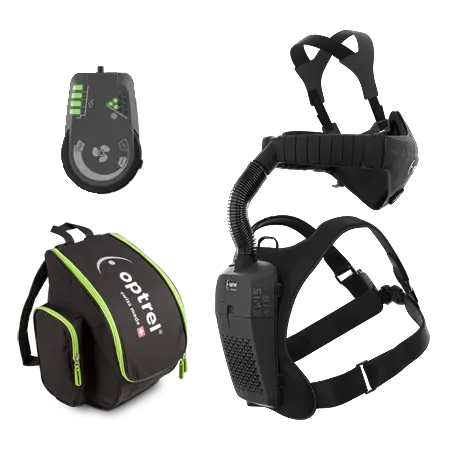


Laservision PAPR for Panoramaxx laser welding helmets
Filter unit TH3
Battery 14 hours
Head harness XS to XL
- Fits THEO’s VIZ laser welding helmets
- Flame-retardant ventilated half mask
- Automatic airflow calibration
- Control panel for filter and battery status
Why a PAPR matters for laser welding, in optrel’s words: The Invisible Threat: Why PAPR is Essential for Laser Welding Safety.
Frequently asked questions
Fume extraction and PAPR
Is a respirator enough on its own?
No. A respirator protects the person wearing it. HSE asks for extraction first and respiratory protection where extraction alone is not enough, and THEO’s manuals require a fume extraction system. In a closed welding cell, extraction is mandatory.
Do the people around me need protection too?
Yes. Everyone in the immediate vicinity wears the same protective equipment as the welder, and they breathe the room’s air: another reason for extraction.
Does laser cleaning need extraction?
Yes. The laser turns corrosion layers, paint and coatings into particles, fumes and vapors. DGUV’s guidance on laser cleaning asks for extraction that captures them as close to the point of origin as possible.
Is a welding fume extractor enough for laser fume?
Only if its filter is rated for fine particles. Laser welding and laser cleaning produce very fine particles, so check the filter with your THEO Partner before you rely on an existing unit. For fume extraction THEO recommends Kemper and Filtrabox: see fume extractors.
Helmets and glasses
Glasses on. Helmet on.
THEO recommends both, for everyone in the laser area.
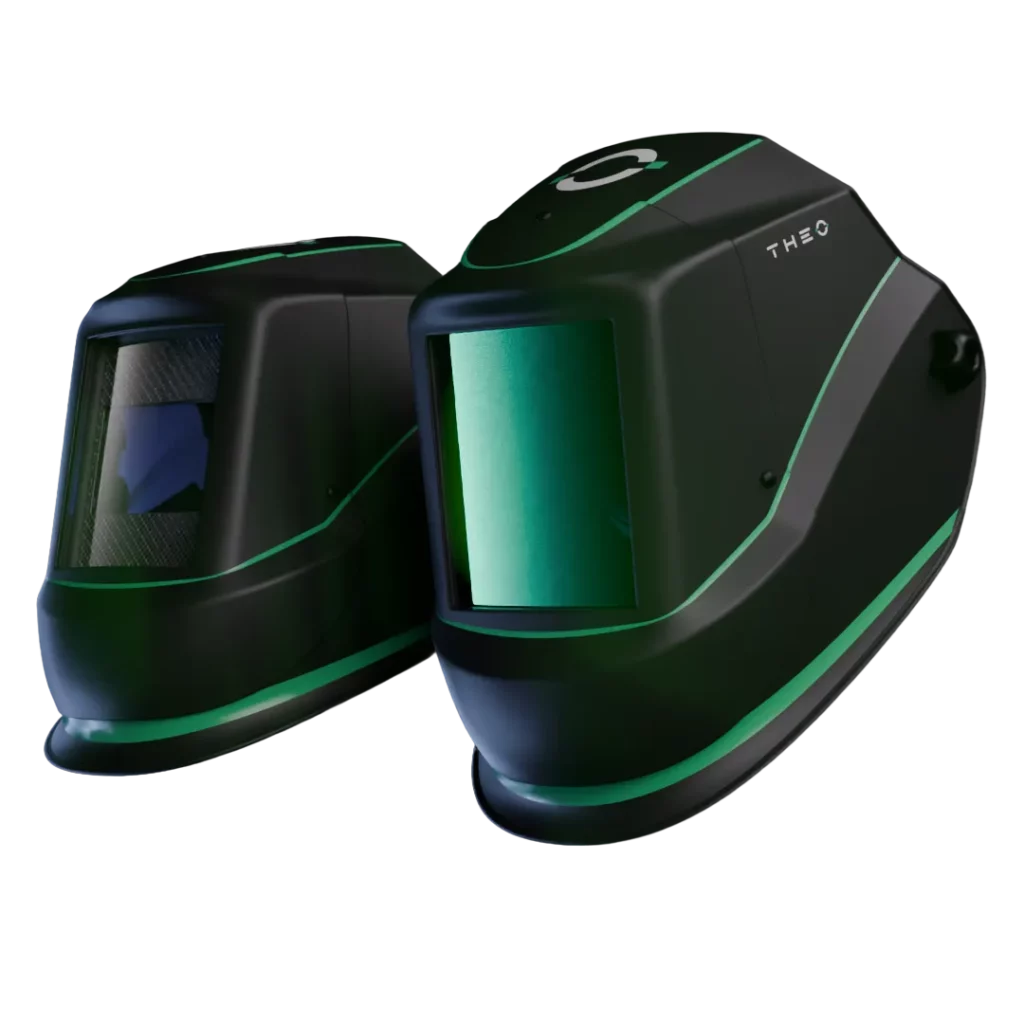
Laser welding safety
Safety. Matters.
What a laser-safe workplace needs.
Not sure what your shop needs?
Tell us what you weld or clean, and where. We'll point you to the right setup.
