

Handheld laser welding up to 8.5 mm
Gaussian vs Flat-top beam profilesLet’s talk
beams
The THEO TM-300 is designed in two versions, Gaussian and Flat-top. Both systems are built on the same 300 W platform. The difference is how the laser energy is distributed across the spot, and that changes how the machine behaves in real working conditions.
Two versions, one 300 W platform
Gaussian vs Flat-top
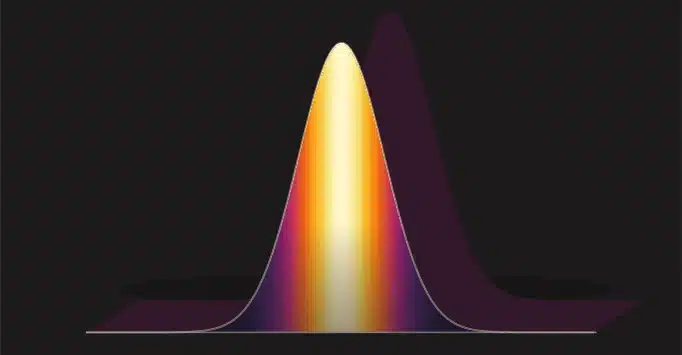
Gaussian
- Core
- 30 µm
- Pulse energy
- ≤ 1.8 mJ
A small 30 µm core concentrates the energy into a tight, high-intensity spot. That’s what makes it precise.
Best for Deeper contamination (e.g. oxide removal, rust removal).
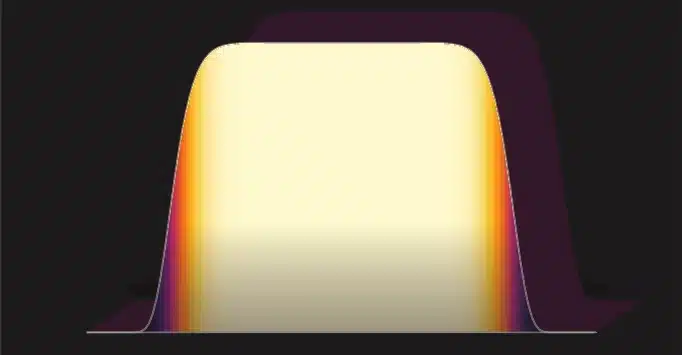
Flat-top
- Core
- 100 µm
- Pulse energy
- ≤ 15 mJ
A larger 100 µm core spreads the energy into a wide, even spot. That’s what makes it fast and forgiving.
Best for Untouched base materials (e.g. molding stations, car body, industrial kitchen).
While both Gaussian and Flat-top will easily handle your day-to-day cleaning needs, each profile will perform slightly better in certain use-cases due to their beam profile.
- Rust, paint and oxide removal
- Pre- and post-weld cleaning
- Surface prep before coating
- Restoration and refinishing
If you aren’t sure which beam profile would better suit your needs, one of our experts will help advise you based on your day-to-day needs.
Talk to an expertSide by side
Where the two versions differ
Everything else is the same machine: 300 W, pulsed, air-cooled, with the same cleaning head and lenses.
| TM-300 Gaussian | TM-300 Flat-top | |
|---|---|---|
| Fiber core diameter | 30 µm | 100 µm |
| Single pulse energy | ≤ 1.8 mJ | ≤ 15 mJ |
| Pulse frequency | 165–8,000 kHz | 1–4,000 kHz |
| Pulse width | 10–500 ns | 20–500 ns |
| M² | ≤ 1.6 | 10–14 |
See the TM-300 at work
Request an online demo with the THEO Applications lab, see it at a THEO Partner near you, or ask for a quote.
